
There are hundreds of dog breeds out there for choosing your new guard dog. And for someone who has never owned a dog before or even someone who has kept them for pets, but not as guards, and doesn’t know which breed to pick, this may be a daunting task.

Each breed has its own unique traits, therefore a mix is probably the best choice. But first of all, let’s decide which characteristics you want in the dog that will be your companion for many years to come. Some people require dogs to guard their family, others their livestock. Other times, the dog will be used as a pointer and retriever, or perhaps a dog to track the trail of an animal.
What Guard Dog is Best for You?
Starting with guard dogs, there are three types of such animals. Dogs that sound the alarm by barking when they hear an intruder, those that take matters into their own paws when guarding a home, and those that guard livestock.
 Alarm dogs are typically small breeds, but they also have fantastic hearing, such as Chihuahuas, Terriers, and the like. Which breed, depends on the natural training and how loyal the dog is. Such dogs, of course, do not do well outdoors or in a barn, and therefore are better for homes with plenty of human attention.
Those that guard your home, by their fearsome attitude and large size, are fantastic deterrents. These include too many breeds to list, and range from 75 to 250 pound dogs. The most common of these are German Shepherds, Dobermans, Rottweilers, Boxers, Mastiffs, and American bulldogs. All of these guard dogs must be trained well in order to avoid unnecessary attacks. For some this may come naturally, but others may get into trouble without it. German Shepherds have been the iconic breed for this use, they are easily trained, friendly, and are hardy, not having any special needs as a puppy, or several years from now as an old dog.


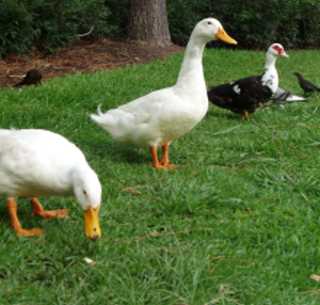 Ducks as pets are fascinating creatures, no doubt. Their eggs are larger than a chicken’s and higher in protein content, making them fantastic for cakes and pastries. They can also resist many diseases chickens are prone to, although they don’t do well in extreme heat without a pond, which isn’t normally required. Their higher price, compared to chickens, is well worth it in many ways.
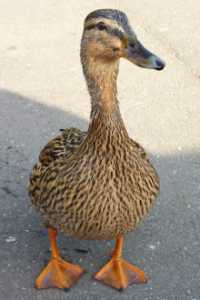 For eggs, no duck can beat a Khaki Campbell, laying a possible 280 eggs yearly with added light, they are also good mothers. Along with their egg-laying habits, come their lightweight appearance. So when scared, or chased by a predator, they may fly off. Fortunately, ducks as pets have a strong flocking instinct and will come back around to their friends once the danger has passed.
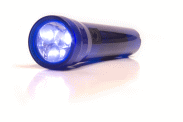 LEDs or Light Emitting Diodes, are the newest generation of flashlights, and not only last longer than their conventional counterparts, but shed more light, providing a less stressful environment for your eyes, and may also give you a chance to read. Furthermore, they are waterproof to a certain degree.